
Research at the SbM-Lab
This page provides a research overview of select key projects within the Smart Circular Building Materials (SCBM) framework, highlighting our integrated approach to advanced material characterization, smart manufacturing, and predictive computational modeling.
We develop bio-based and waste-derived construction materials that replace conventional cement-based systems while maintaining structural performance. By leveraging renewable biopolymers such as lignin, we create cement-free composites with applications ranging from sustainable building components to structural infrastructure.
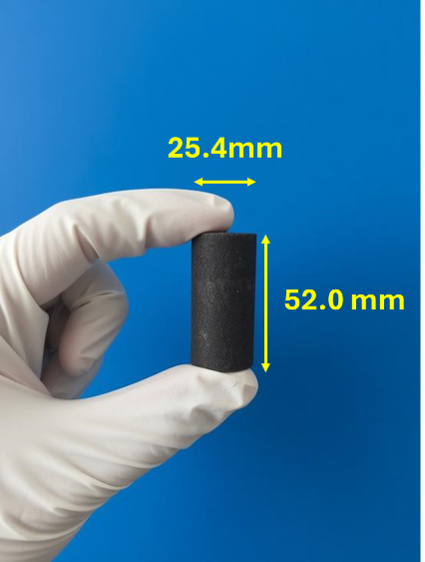
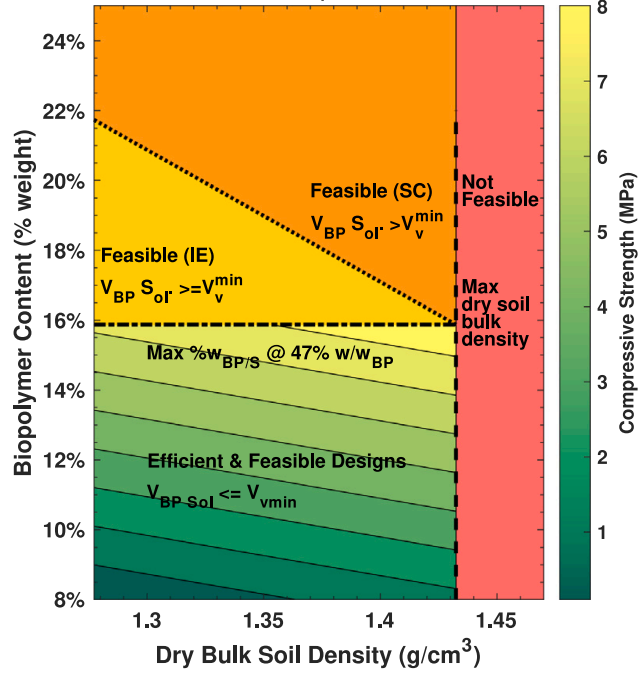
To mitigate the environmental impact of concrete production—which generates 8% of global carbon emissions—this project introduces a sustainable, cement-free construction material: lignin-based Biopolymer-Bound Composites. Utilizing low-cost, industrial byproducts (hydrolysis and alkali lignin), we formulated ten distinct mix designs to establish predictive relationships between composition, density, and strength.
The resulting composites achieved compressive strengths ranging from 1.6 to 8.1 MPa. These parameters demonstrate the material's viability for immediate deployment in non-structural, low-carbon building applications, establishing a clear design methodology for scalable, green alternatives to traditional soil stabilizers.
B. H. Miao, R. J. Headrick, Z. Li, L. Spanu, D. J. Loftus, M. D. Lepech. "Development of biopolymer composites using lignin: A sustainable technology for fostering a green transition in the construction sector." Cleaner Materials, 14, 100279, 2024.
B. H. Miao, D. Woo, A. C. Lesh, D. J. Loftus, M. D. Lepech. "Solvent selection enables sustainable and affordable lignin biocomcomposite for cement-free construction." Cleaner Materials, 100371, 2026.
B. H. Miao, A. C. Lesh, D. J. Loftus, M. D. Lepech. "Solvent Optimization for a Cement-Free Building Material Using Lignin." Earth and Space 2026, ASCE, 2026.
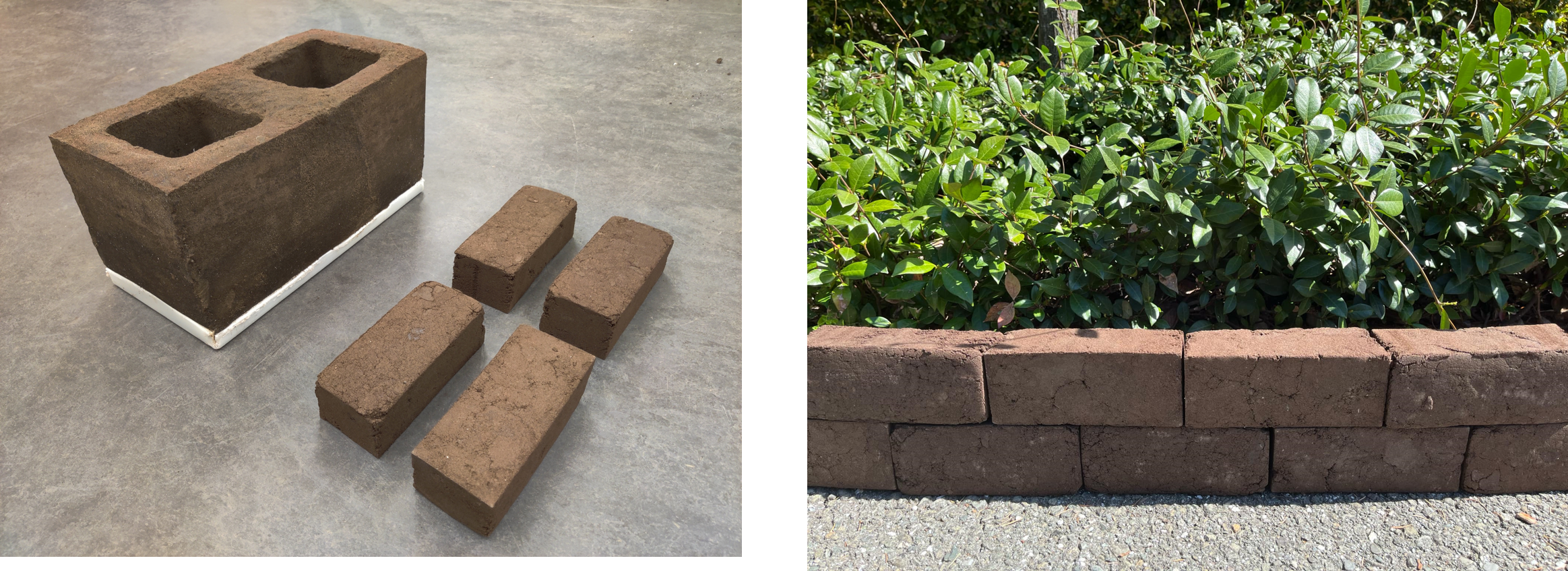
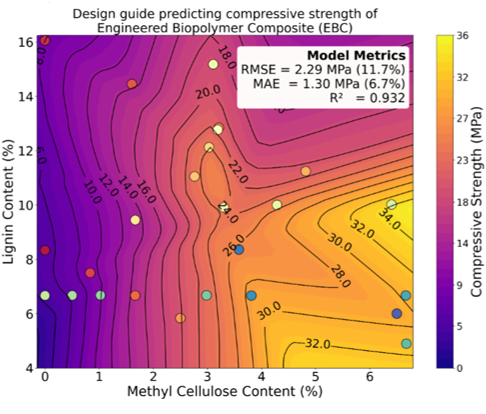
Addressing the construction sector's heavy carbon footprint, this project introduces an Engineered Biopolymer Composite (EBC) as a carbon-negative, recyclable, and mechanically robust alternative to traditional building materials. By combining carbon-rich industrial lignin waste with methyl cellulose, EBC mimics the natural cohesion of plant cell walls.
The resulting composite achieves compressive strengths up to 35.4 MPa, tensile strengths of 3.33 MPa, and a Young's modulus of 2.88 GPa—comparable to conventional concrete while maintaining high structural circularity upon recycling.
Cradle-to-gate life cycle assessments indicate a global average carbon sequestration benefit of -231.2 kg CO₂/m³. Scaling this technology using global lignin supplies presents a highly viable, nature-inspired pathway to decarbonize global infrastructure.
B. H. Miao, A. C. Lesh, P. Hart, D. J. Loftus, M. D. Lepech. "Engineered biopolymer composite: an affordable, cement-free material for sustainable construction ." Biologically Inspired Materials, Processes, and Systems (BIMPS) 2026, 2026.
B. H. Miao, A. C. Lesh, P. Hart, S. Song, D. J. Loftus, M. D. Lepech. "Engineered biopolymer composite: an affordable, cement-free material for sustainable construction." Under review.
We apply life-cycle assessment (LCA) and data-driven optimization to identify low-carbon manufacturing pathways, reduce environmental impacts, and guide the development of sustainable construction technologies.
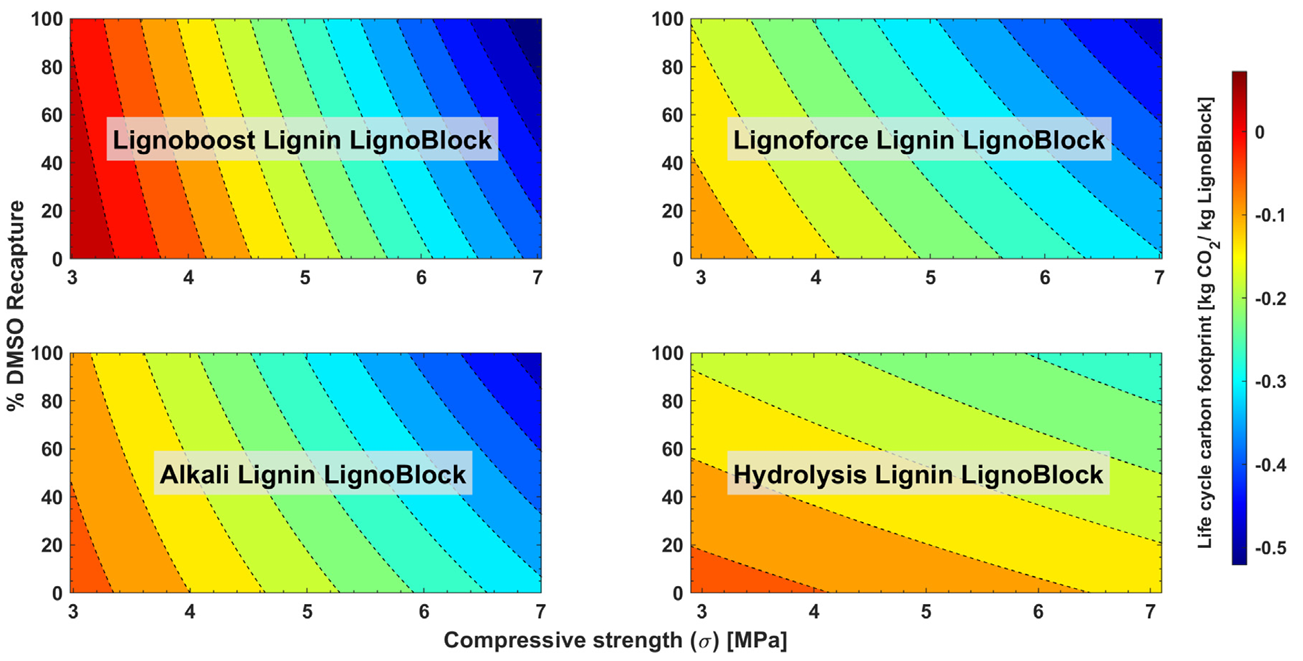
Lignin-based biopolymer-bound soil composites (BSCs) are a new class of sustainable construction materials that utilize a bio-based biopolymer — lignin — as a binder. Inspired by prior work, lignin-based BSCs were developed using lignoboost lignin, lignoforce lignin, alkali lignin, and hydrolysis lignin. Uni-axial compressive testing shows that the compressive strength for these BSCs range from 1.6–8.1 MPa, making them appropriate for low compressive strength construction applications.
We performed a life cycle assessment (LCA) of lignin-based BSC using a CMU-sized block as the functional unit. The major advantage of BSC lies in the elimination of ordinary Portland cement, which is common to traditional concrete. Furthermore, the use of lignin results in carbon sequestration (lignin is ~60 wt% carbon), potentially making materials made from lignin-based BSC carbon negative.
Additionally, a design guide for estimating the life cycle carbon footprint of lignin-based BSC for a required compressive strength was developed. By utilizing the results from material tests and the LCA, designers are now able to use lignin effectively in construction applications for a target compressive strength with a full understanding of the life cycle carbon footprint implications.
B. H. Miao, R. J. Headrick, D. J. Loftus, M. D. Lepech. "Life cycle assessment and design of LignoBlock: A lignin bound block on the path towards a green transition of the construction industry." Journal of Cleaner Production, 2024.
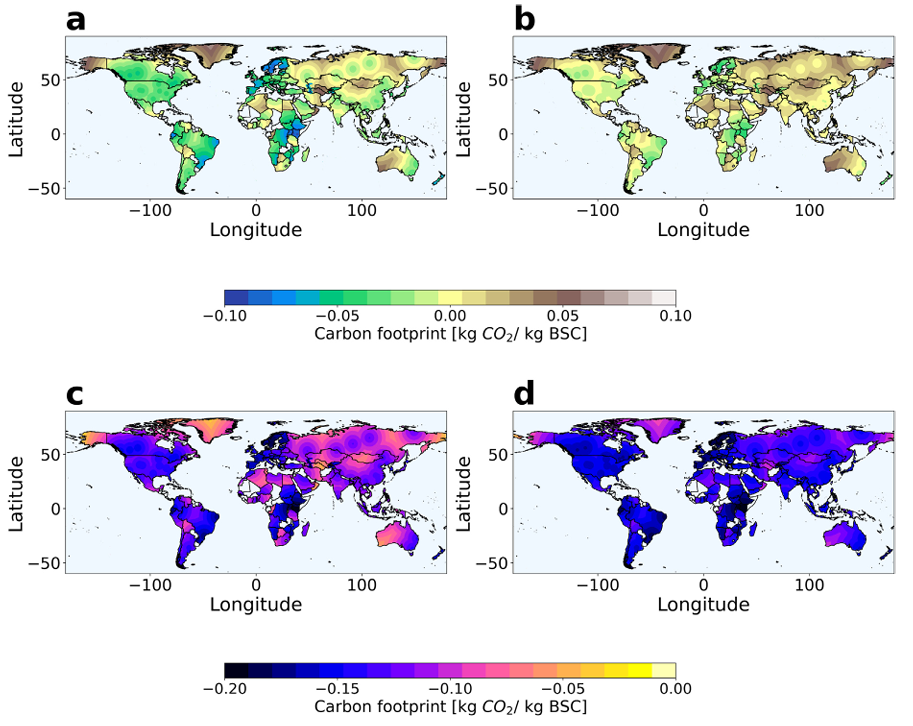
Cement-free construction materials are essential to reduce global carbon emissions, yet scalable alternatives remain limited. We report the development of a lignin-based biopolymer-bound soil composite (BSC), a novel cement-free material with mechanical properties comparable to lightweight concrete. To advance its scalability and environmental performance, we used a systematic framework for solvent selection in lignin biocomcomposite fabrication.
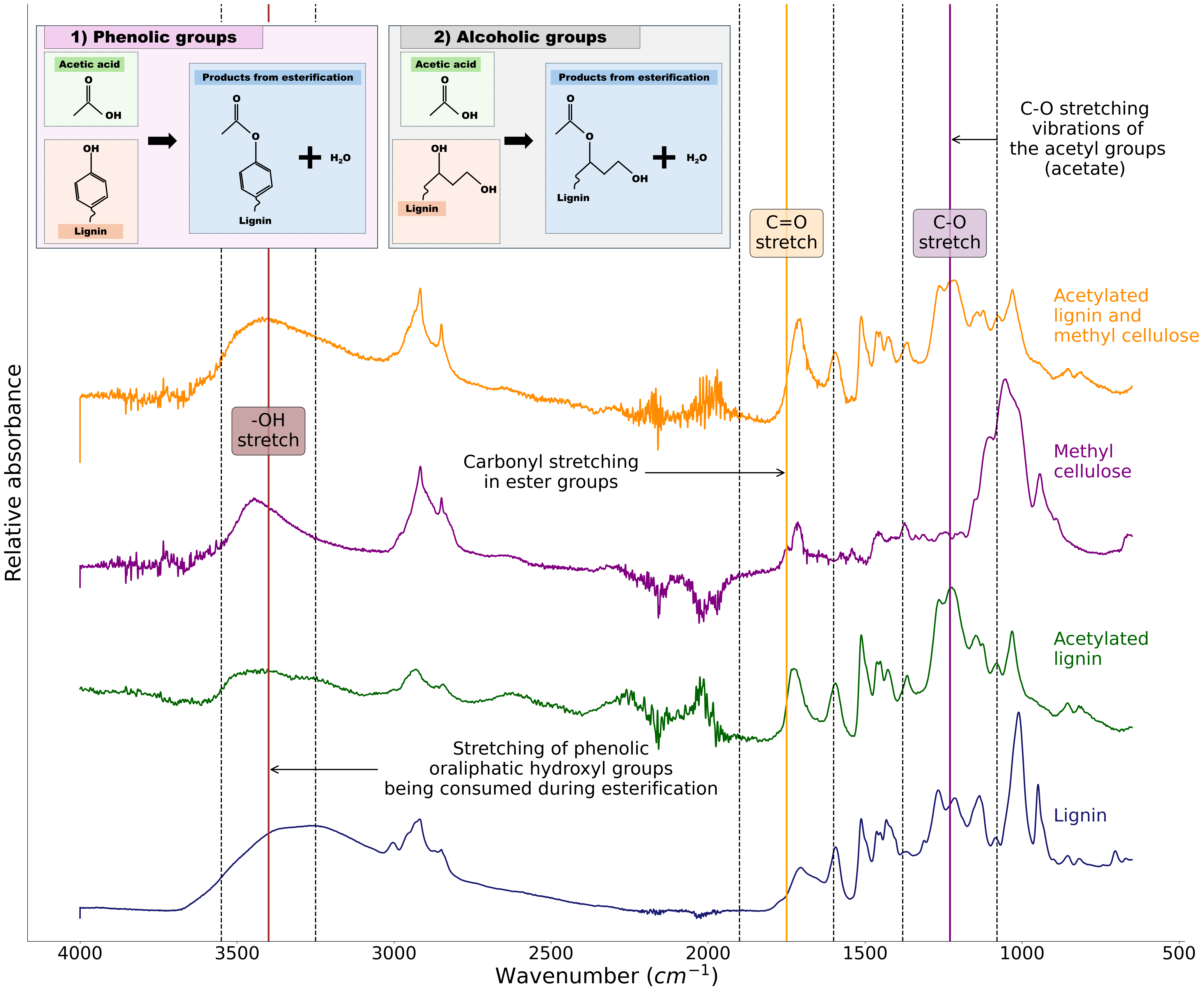
Applying this approach, we identified an acetic acid–water solvent system that speeds up manufacturing and enhances material quality. BSCs fabricated with this system exhibit increased strength (5.4 MPa vs. 3.7 MPa), attributed to acetylation of lignin. In addition, the acetic acid–water system dramatically reduces drying time compared with the alternative solvent, dimethyl sulfoxide (2 days vs. 14 days), enabling more efficient production.
Life cycle assessment reveals additional CO₂ sequestration and a 70% reduction in material cost relative to lignin biocomposite made using DMSO as the solvent. These improvements stem from solvent-induced modifications in lignin chemistry that enhance composite performance. This work demonstrates how both material design and rational solvent selection can pave the way for adoption of lignin-based composites as scalable, affordable, and low-carbon alternatives for the built environment.
B. H. Miao, D. Woo, A. C. Lesh, D. J. Loftus, M. D. Lepech. "Solvent selection enables sustainable and affordable lignin biocomposite for cement-free construction." Cleaner Materials, 2026.
We investigate recycling, reuse, and material recovery strategies to establish closed-loop construction systems where materials can be continuously repurposed rather than discarded.
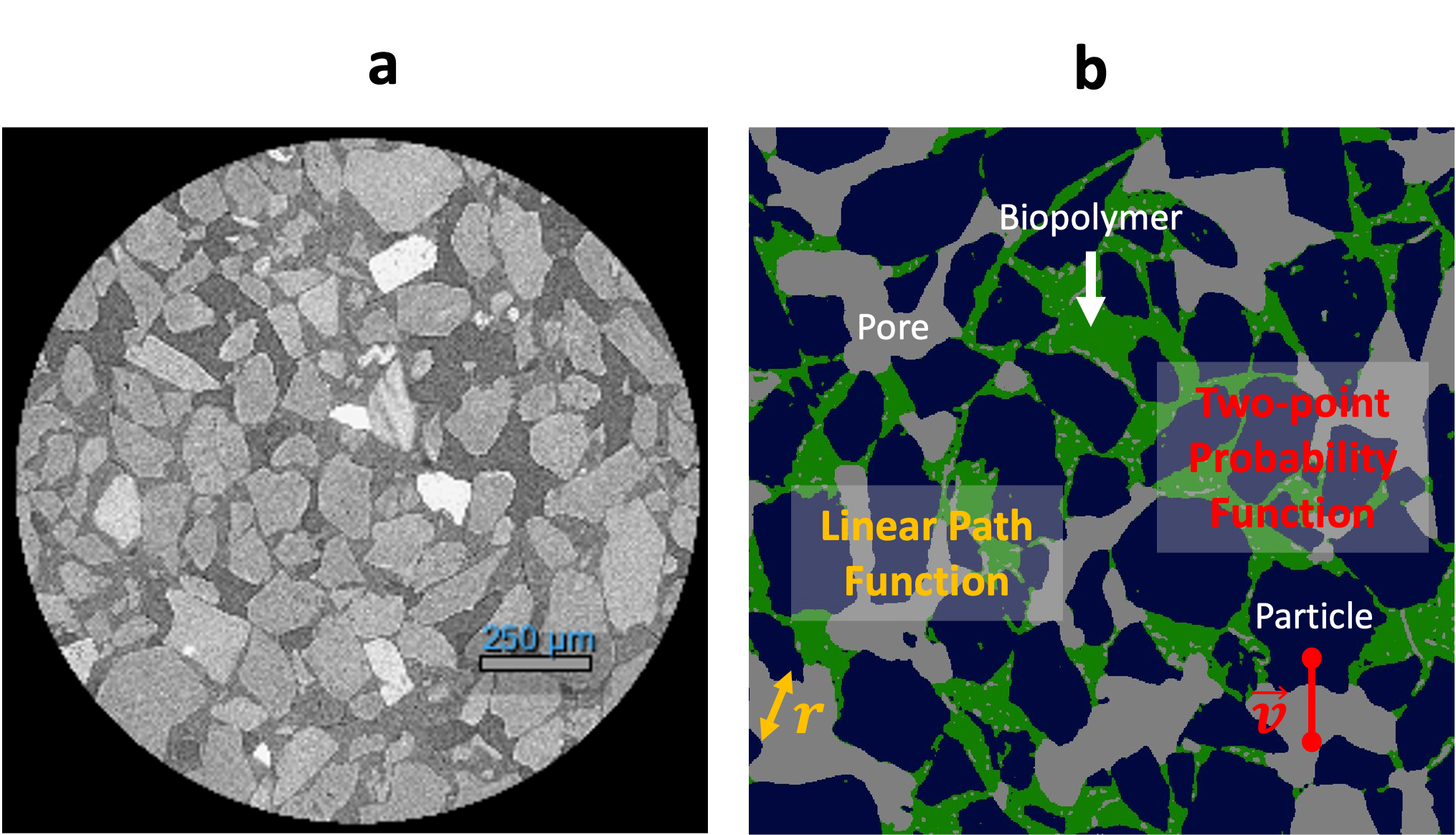
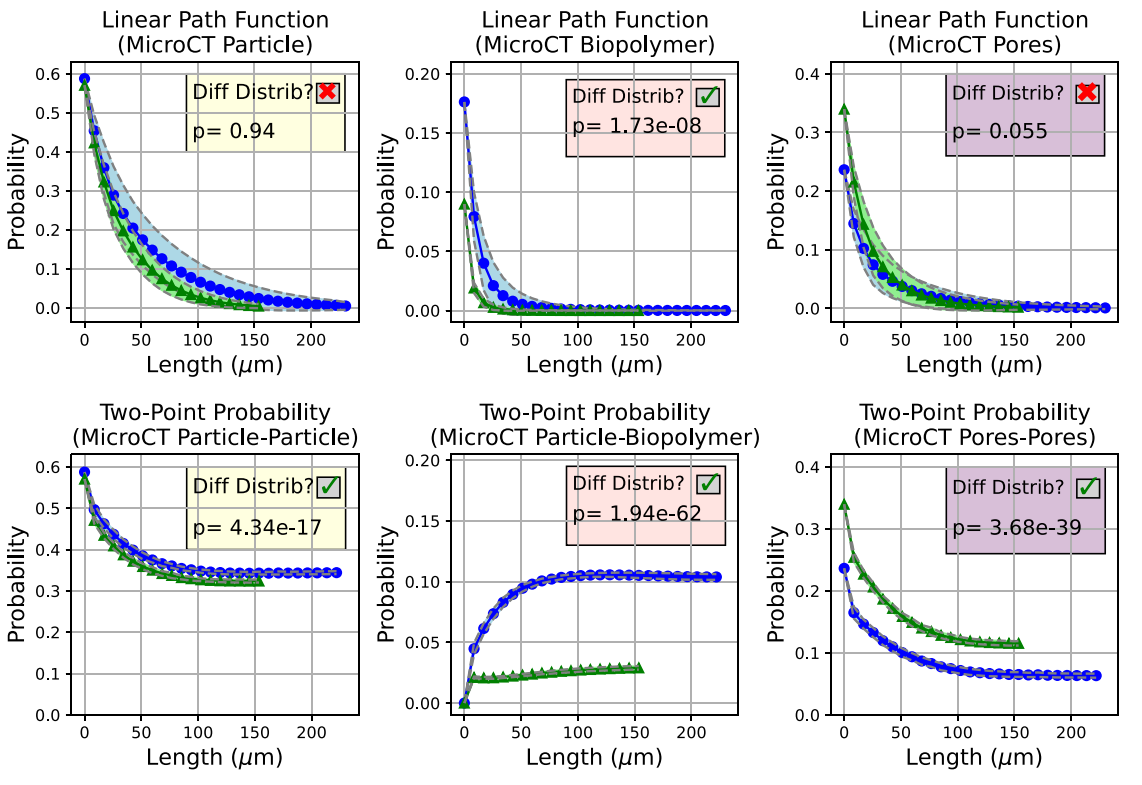
Biopolymer-bound soil composites (BSC) offer a promising cement-free alternative for the built environment by sourcing binders from industrial waste streams. This project establishes a closed-loop recycling pathway for BSCs bound with kraft lignin. Re-manufacturing is achieved entirely through mechanical disruption of the weathered material, followed by solvent re-introduction, remixing, and remolding—completely bypassing the intensive downcycling typical of traditional concrete.
Remarkably, mechanical evaluations revealed that the compressive strength of the recycled material actually exceeds that of the virgin BSC mixture. To uncover the mechanism driving this behavior, we utilized high-resolution X-ray micro-computed tomography (micro-CT). The microstructural imaging demonstrates that the re-manufacturing process alters the internal matrix architecture, significantly enhancing the interfacial association between the lignin binder and the aggregate particles.
B. H. Miao, D. J. Loftus, M. D. Lepech. "Recycling of lignin-based biocomposites: Improving sustainability and enhancing material strength." Resources, Conservation and Recycling, 2024.
We integrate sensors, machine learning, and artificial intelligence to create intelligent materials capable of monitoring their manufacturing processes, detecting defects, and predicting mechanical performance throughout their service life.
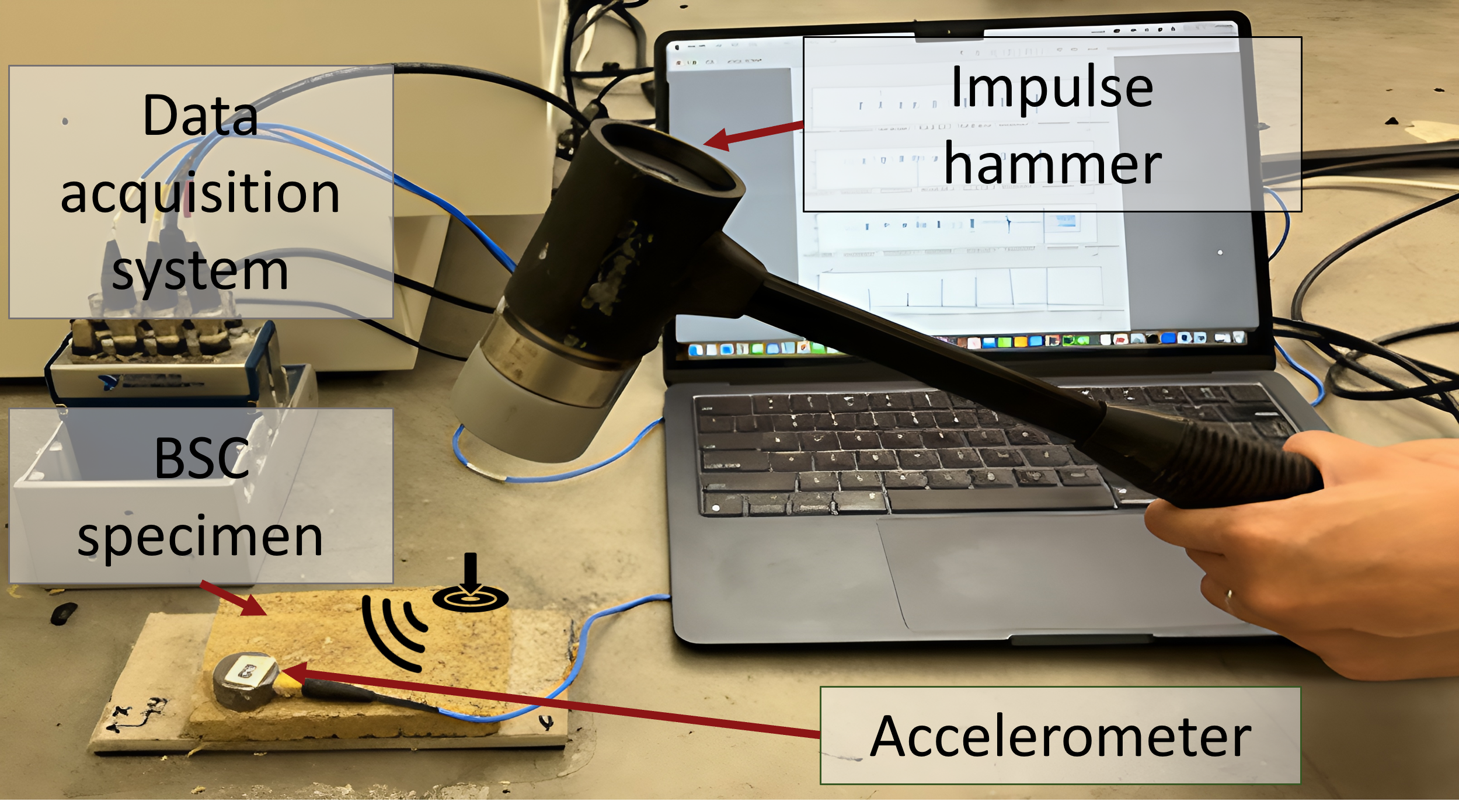
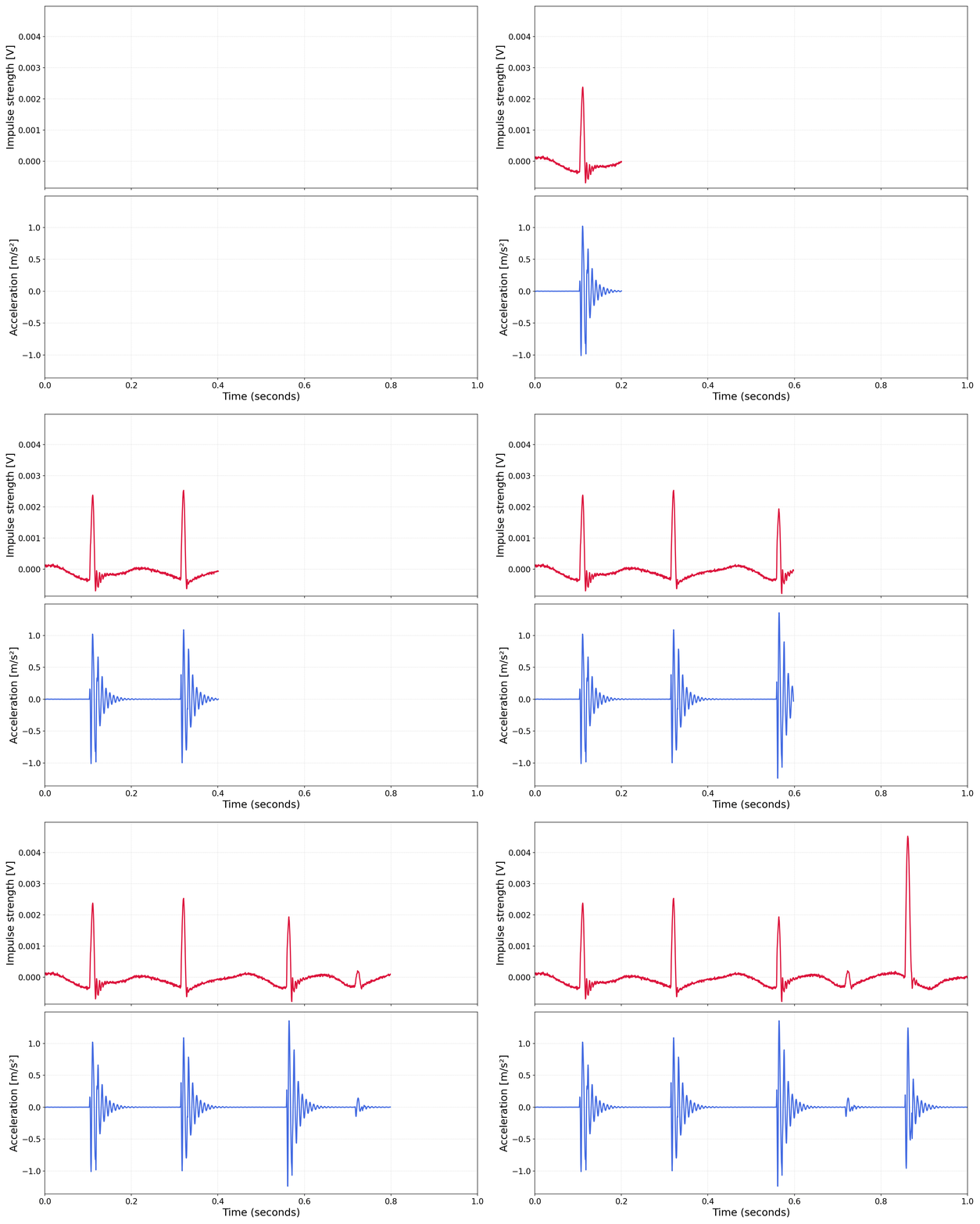
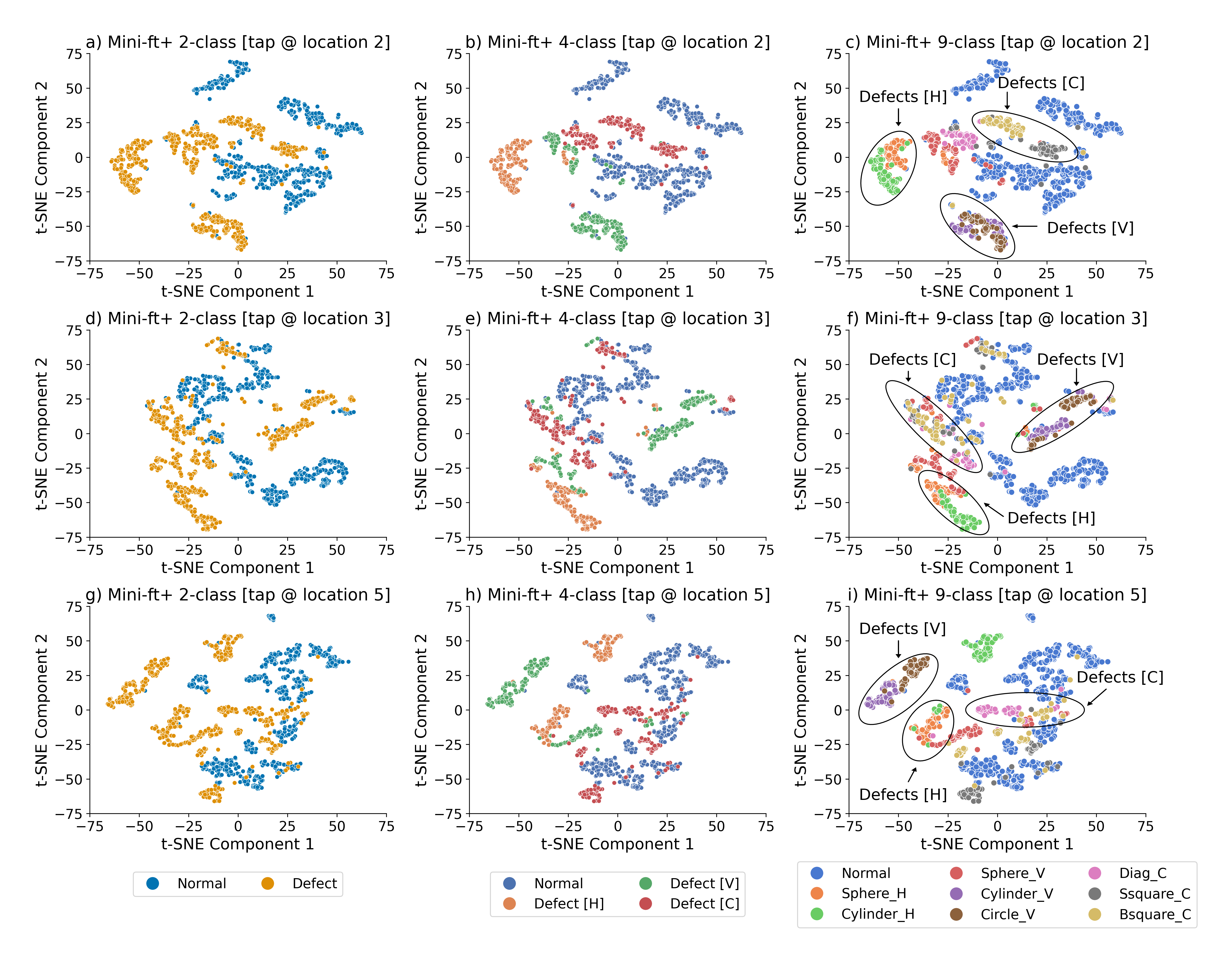
Biopolymer-bound soil composite (BSC) is a sustainable materials technology that leverages nature-based polymers to create carbon-negative building components capable of matching the structural strength of traditional concrete. However, enabling the large-scale deployment of these alternative composites requires a reliable, inline quality control framework to minimize localized defects and eliminate material waste.
To address this bottleneck, we developed a non-destructive, vibration-based sensing system designed to evaluate the green-state quality of the material while it is still wet and before final curing takes place. By pairing this sensor system with advanced AI algorithms driven by physics-based features, our framework identifies internal structural defects early enough in the manufacturing loop to allow the wet material to be salvaged. Furthermore, the sensing setup tracks real-time moisture evaporation and strength development during drying, providing critical metrics for high-volume automated production.
B. H. Miao, A. C. Lesh, P. Hart, D. J. Loftus, M. D. Lepech. "AI-powered non-destructive testing for smart manufacturing of carbon-negative biopolymer-bound soil composite." Communications Engineering, 2026.
B. H. Miao, Y. Dong, A. Theissler, A. C. Lesh, H. Noh, D. J. Loftus. "Acoustic vibration sensing for nondestructive characterization of strength evolution in bio-based composites." In preparation.
B. H. Miao, Y. Dong, A. Theissler, A. C. Lesh, H. Noh, D. J. Loftus. "Life-Cycle Monitoring of Engineered Biopolymer Composite using vibration-based sensing." In preparation.
We combine advanced characterization techniques, including microscopy and micro-computed tomography, with computational modeling to uncover structure–property relationships and enable predictive design of next-generation materials.
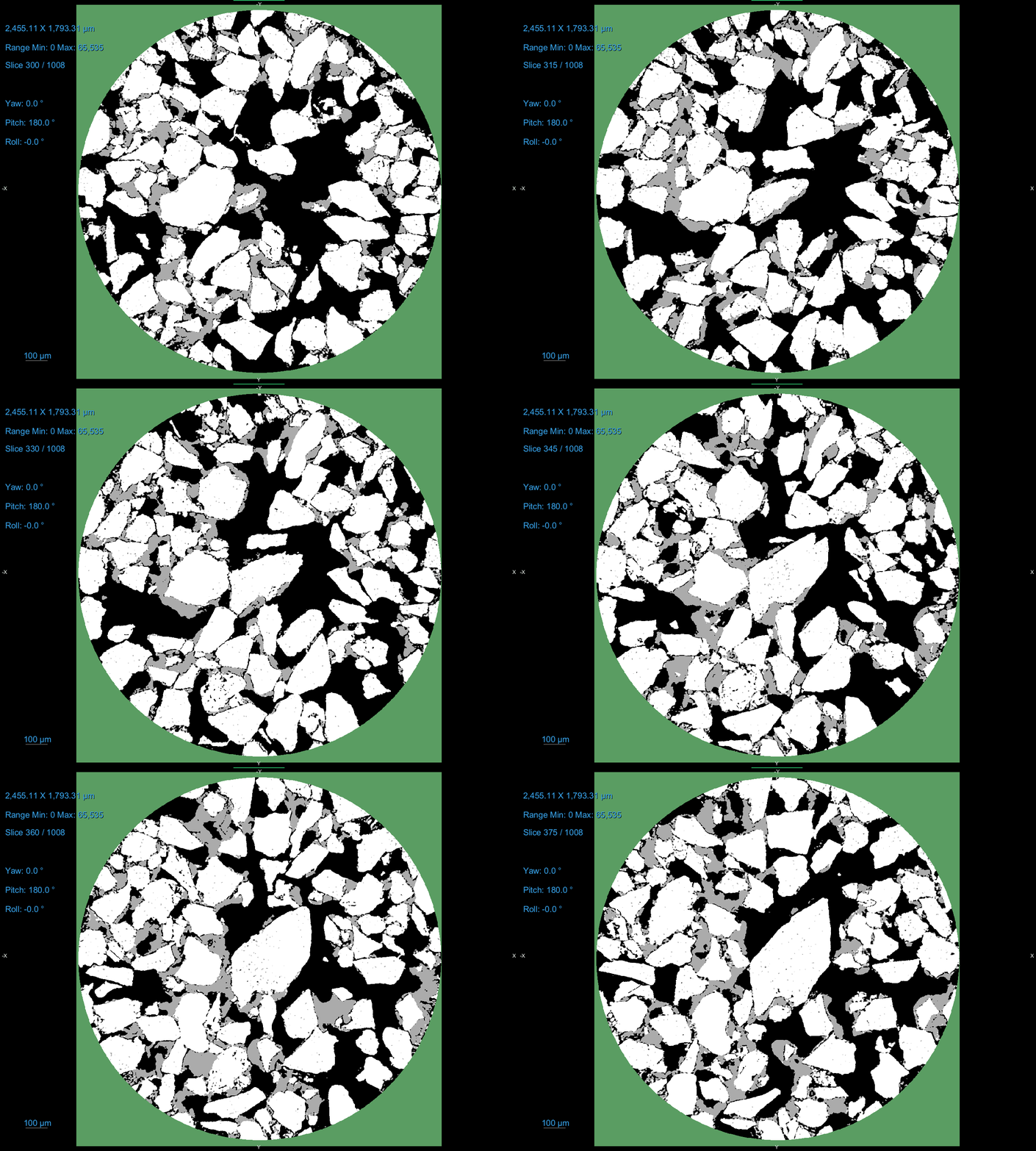
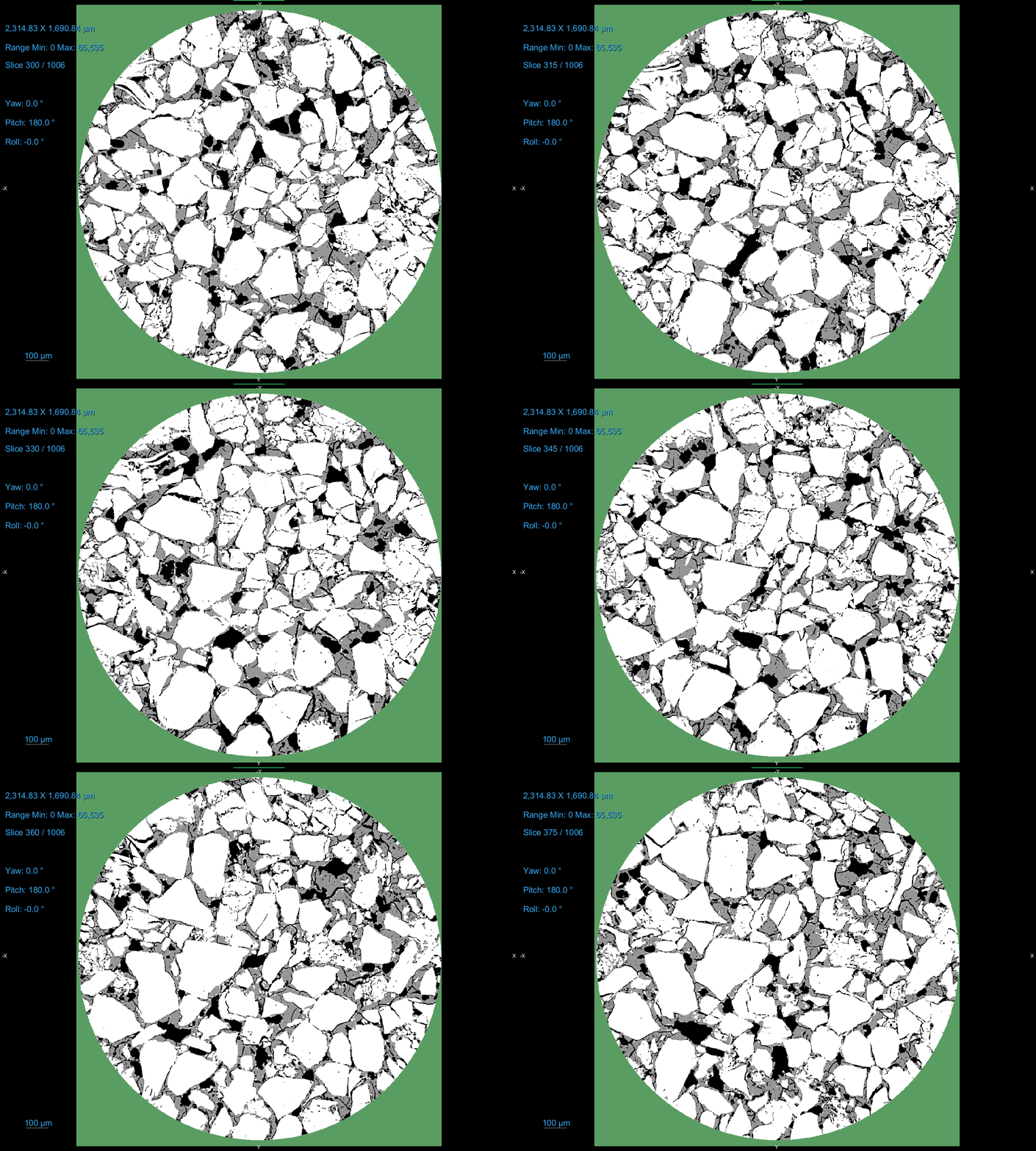
Uncovering the micro-structural mechanics of Engineered Biopolymer Composites (EBC) requires tracking architecture across multiple scales—from 3D volumetric pore connectivity down to sub-micron binder-aggregate interfaces. At the macro/meso scale, this research utilizes high-resolution X-ray micro-computed tomography (micro-CT) to isolate pristine material physics. Scanning at an ultra-fine 1.71 μm voxel size using a Zeiss Versa XRM500 microscope (60 kV, 7 W), we compile approximately 1,000 spatial slices through the specimen core to eliminate boundary edge artifacts.
To parse these heterogeneous datasets, a fully convolutional densely connected network (FC-DenseNet) is implemented within Dragonfly for automated semantic voxel classification into distinct aggregate, biopolymer, and void regions. The segmented spaces are quantified using Lineal Path (LP) functions to isolate phase size connectivity, and Two-Point (TP) spatial probability functions to evaluate aggregate-biopolymer clustering behaviors. Statistical divergence between varying manufacturing pre-compaction states is rigorously established by computing L2 norm curve distances and functional Wasserstein distribution distances across complete curve ensembles.
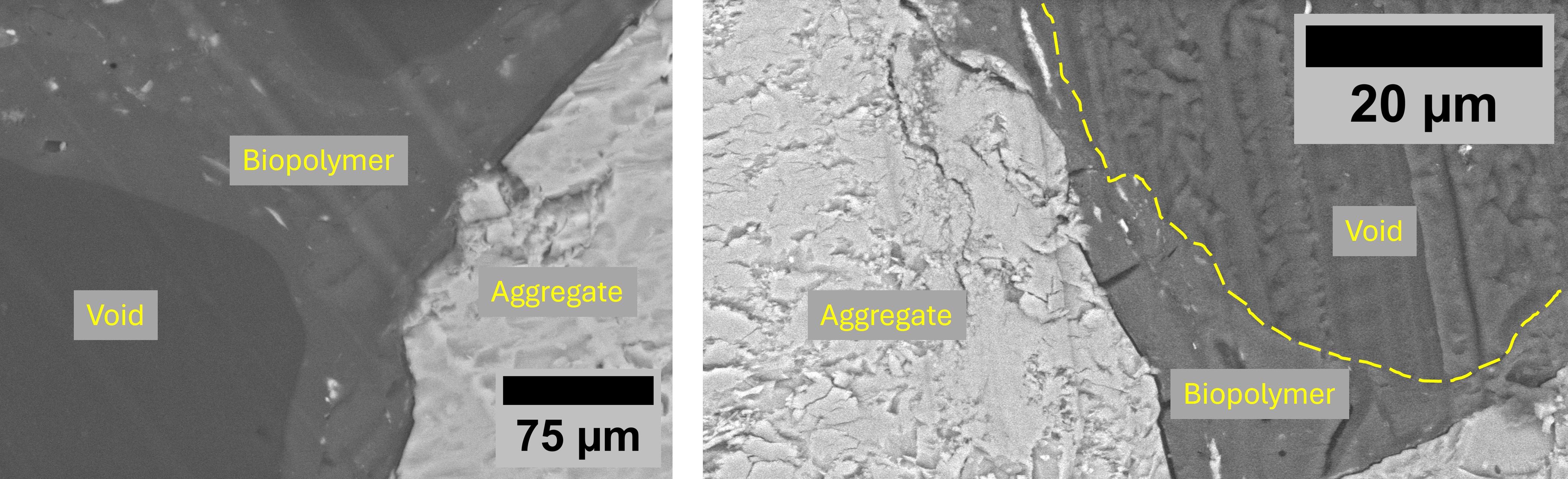
Complementing this volumetric data, sub-micron interfacial physics are mapped using an advanced block-face ultra-microtome preparation technique. Cylindrical EBC elements are ground to a 3 mm cube, vacuum-embedded in low-viscosity epoxy resin within BEEM capsules, and milled on a Leica TXP device. The resulting 1 mm pyramidal face is polished at room temperature with a 45° DiATOME diamond knife on a Leica Enuity ultra-microtome. This ultra-flat face allows for direct characterization in a Thermo Fisher Scientific Phenom Pharos desktop Field Emission Gun Scanning Electron Microscope (FEG-SEM). By operating in low-vacuum and low-kV modes, we map high-contrast interfacial binder details without non-conductive surface coatings, verifying chemical phase boundaries inline via Energy Dispersive Spectrometry (EDS).
B. H. Miao, A. C. Lesh, P. Hart, S. Song, D. J. Loftus, M. D. Lepech. "Engineered biopolymer composite: an affordable, cement-free material for sustainable construction." Under review.